

Eczema, a common skin condition characterized by inflammation and itching, can be particularly challenging to manage. Commercial creams may contain various ingredients, and some individuals prefer a more natural approach. In this guide, we’ll explore a homemade eczema cream recipe featuring two skin-nourishing ingredients: shea butter and aloe vera.
Time to Make:
- The process typically takes around 20-30 minutes, including melting the shea butter, combining ingredients, and allowing the mixture to cool.
Ingredients:
- Shea Butter: Shea butter is renowned for its moisturizing properties. It contains fatty acids and vitamins that help nourish and hydrate the skin.
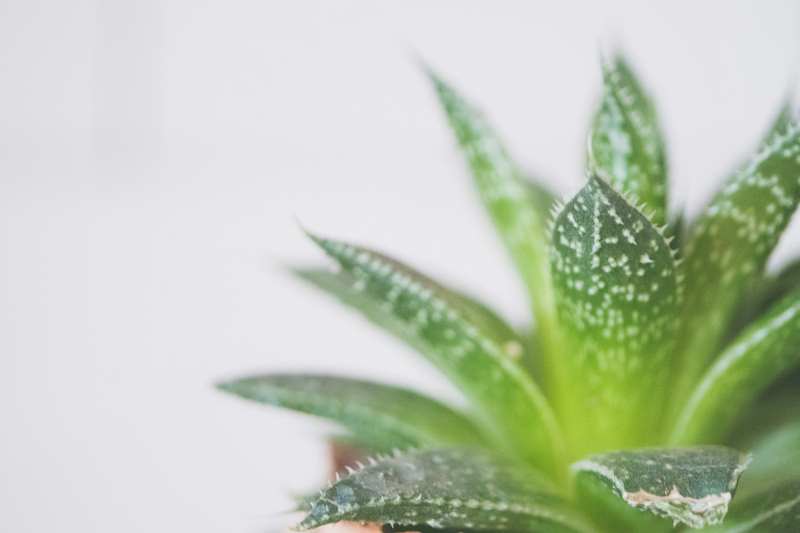
- Aloe Vera Gel: Aloe vera is known for its soothing and anti-inflammatory effects. It can provide relief from itching and redness associated with eczema.
- Coconut Oil: Coconut oil contributes to the cream’s consistency and offers additional moisturizing benefits.
- Lavender Essential Oil (Optional): Lavender oil can add a pleasant scent and may have calming effects on the skin.
Tools:
- Double Boiler or Heatproof Bowl: For melting the shea butter without direct heat.
- Stirring Utensil: To mix and combine the melted ingredients effectively.
- Clean, Airtight Container: For storing the finished eczema cream.
Instructions:
- Measure the Ingredients:
- 1/2 cup Shea Butter
- 1/4 cup Aloe Vera Gel
- 2 tablespoons Coconut Oil
- 10-15 drops Lavender Essential Oil (Optional)
- Melting the Shea Butter:
- In a double boiler, gently melt the shea butter until it becomes a liquid. If you don’t have a double boiler, a heatproof bowl over a pot of simmering water works well.
- Adding Coconut Oil:
- Once the shea butter is melted, add the coconut oil to the mixture. Stir until both ingredients are well combined.
- Incorporating Aloe Vera Gel:
- Allow the mixture to cool slightly, then add the aloe vera gel. Ensure thorough mixing for a consistent texture.
- Optional: Adding Lavender Essential Oil:
- If you choose to include lavender essential oil, add it to the mixture and stir well. Lavender oil can enhance the cream’s fragrance and provide potential calming effects.
- Cooling and Storage:
- Let the mixture cool completely. Once cooled, transfer it to a clean, airtight container. Store the homemade eczema cream in a cool, dry place.
Tips to Make Homemade Eczema Cream with Shea Butter and Aloe Vera:
- Choose High-Quality Ingredients:
- Opt for pure, organic shea butter, aloe vera gel, and coconut oil to ensure the cream’s effectiveness and minimize the risk of irritants.
- Ensure Clean Tools and Containers:
- Sterilize the tools and containers before use to maintain a hygienic environment for your homemade eczema cream.
- Be Mindful of Essential Oils:
- If using lavender essential oil, ensure it is high-quality and suitable for skincare. Consider individual preferences and potential allergies.
- Balancing Consistency:
- Adjust the ratio of shea butter to coconut oil based on your desired consistency. More coconut oil can make the cream smoother, while more shea butter adds richness.
- Gradual Heat for Shea Butter:
- Melt the shea butter slowly over low heat to preserve its beneficial properties. Avoid high temperatures to prevent the cream from becoming too thin.
- Thorough Mixing:
- Stir the melted ingredients thoroughly to achieve a uniform texture. This ensures an even distribution of moisturizing properties in the final product.
- Cooling Period:
- Allow the mixture to cool completely before transferring it to a container. This prevents separation and helps the cream solidify to the desired consistency.
- Patch Test:
- Before widespread use, perform a patch test on a small area of skin to check for any adverse reactions or allergies to the ingredients.
- Storage in Cool, Dark Place:
- Store the eczema cream in a cool, dark place to prevent heat and sunlight from altering its composition. Airtight containers help maintain freshness.
- Consistent Application:
- Apply the cream consistently to affected areas, especially after bathing when the skin is most receptive to moisture.
- Consultation with Professionals:
- If symptoms persist or worsen, consult with a dermatologist or healthcare professional for personalized advice and additional treatment options.
- Monitor Skin Reactions:
- Regularly monitor your skin for any reactions or changes. Discontinue use if you notice irritation or discomfort.
- Combine with Gentle Skincare Practices:
- Incorporate the use of the homemade cream with gentle skincare practices, such as avoiding harsh soaps and maintaining proper hydration.
Remember that individual responses to homemade products may vary. If you have severe eczema or persistent symptoms, seek guidance from healthcare professionals for tailored treatment plans.
How to Use Homemade Eczema Cream with Shea Butter and Aloe Vera:
- Start with Clean Skin:
- Begin by washing the affected area with a mild, fragrance-free cleanser. Pat the skin dry gently with a clean towel.
- Take a Small Amount:
- Scoop out a small amount of the homemade eczema cream using a clean and sanitized spatula or your fingertips.
- Warm the Cream:
- If the cream is solid due to cooler temperatures, warm it slightly between your fingertips or palms to soften it for easier application.
- Apply to Affected Areas:
- Gently apply the cream to the areas affected by eczema. Ensure an even distribution, covering the red, itchy, or dry patches thoroughly.
- Massage In:
- Use gentle, circular motions to massage the cream into the skin. Avoid rubbing too hard, especially if the skin is sensitive or inflamed.
- Allow Absorption:
- Allow the skin some time to absorb the cream. This may involve a few minutes of air-drying or gentle patting.
- Frequency of Application:
- Apply the homemade eczema cream at least twice a day or as needed. It is particularly beneficial to use the cream after bathing when the skin is more receptive to moisture.
- Monitor Skin Reaction:
- Keep an eye on your skin’s reaction to the cream. If you notice any irritation, redness, or discomfort, discontinue use and consult with a healthcare professional.
- Consistent Use:
- Consistency is key. For best results, use the homemade eczema cream consistently as part of your daily skincare routine.
- Combine with Gentle Practices:
- Complement the use of the cream with other gentle skincare practices, such as avoiding harsh soaps and maintaining proper hydration.
- Patch Testing:
- Before widespread use, perform a patch test on a small area of skin to ensure there are no adverse reactions, especially if you have allergies or sensitivities.
- Consult a Professional:
- If you have severe or persistent eczema symptoms, consult with a dermatologist or healthcare professional for personalized advice and additional treatment options.
Note: Always store the homemade eczema cream in a cool, dry place, and avoid exposure to excessive heat or sunlight. It’s important to listen to your skin’s needs and adjust the frequency of application based on the severity of your eczema symptoms.
Significant Advantages:
- Natural Ingredients:
- The use of shea butter, aloe vera, and coconut oil provides a natural alternative to commercial creams, reducing exposure to potential synthetic additives.
- Moisturizing Properties:
- Shea butter and coconut oil are renowned for their moisturizing effects, helping alleviate dryness and maintaining skin hydration.
- Soothing and Anti-Inflammatory:
- Aloe vera’s soothing and anti-inflammatory properties can provide relief from itching and redness associated with eczema.
- Customizable Formulation:
- Homemade recipes allow individuals to customize the formulation based on their preferences and sensitivities, avoiding specific additives.
- Cost-Effective:
- Making the cream at home can be cost-effective compared to purchasing specialized eczema creams, especially when using readily available ingredients.
- Potential Fragrance:
- The optional addition of lavender essential oil introduces a pleasant fragrance, contributing to a more enjoyable application experience.
Advantages and Disadvantages:
- Variable Consistency:
- Advantage: The ratio of shea butter to coconut oil can be adjusted for a creamier or smoother consistency.
- Disadvantage: Achieving the desired consistency may require experimentation, and the texture may vary.
- Potential Allergies:
- Advantage: Using natural ingredients minimizes exposure to potential allergens found in some commercial products.
- Disadvantage: Individuals may still be sensitive or allergic to natural ingredients, emphasizing the importance of patch testing.
- DIY Control:
- Advantage: Complete control over the ingredients allows individuals to tailor the cream to their specific needs.
- Disadvantage: Formulating at home requires time and effort, and precise measurements are crucial for efficacy.
- Storage Challenges:
- Advantage: Homemade creams often lack preservatives, promoting a more natural product.
- Disadvantage: Without preservatives, the cream may have a shorter shelf life, requiring careful storage and monitoring.
- Effectiveness Variation:
- Advantage: Some individuals may find homemade creams highly effective, especially for mild to moderate eczema.
- Disadvantage: The effectiveness may vary among individuals, and severe cases may require professional guidance.
Frequently Asked Questions
Can I use this homemade eczema cream on my face?
Yes, you can use the cream on your face, but it’s recommended to perform a patch test first to ensure compatibility with facial skin.
How often should I apply the homemade eczema cream?
Apply the cream at least twice a day or as needed. Consistent use, especially after bathing, can be beneficial.
Can I use this cream on children with eczema?
While the ingredients are generally safe, it’s advisable to consult with a pediatrician before using the cream on children, especially those under two years old.
What should I do if I experience irritation after applying the cream?
Discontinue use immediately and wash the affected area with mild soap and water. Consult a healthcare professional if irritation persists.
Can I refrigerate the homemade eczema cream for a longer shelf life?
Refrigeration may help extend the shelf life, but be cautious about changes in consistency. Store in a cool, dark place for optimal results.
Is this cream suitable for all types of eczema?
While it may provide relief for mild to moderate eczema, individuals with severe or persistent symptoms should seek professional advice.
Can I add other essential oils to enhance the fragrance?
Yes, but be cautious with essential oils, as they may cause sensitivity. Perform a patch test and consult with a professional for suitable options.
How long does it take to see results with this homemade cream?
Results may vary, but some individuals notice improvement within a few days to a week. Consistency in use is key for optimal results.
Can I use this cream alongside prescribed eczema medications?
Consult with your healthcare provider before combining homemade remedies with prescribed medications to ensure compatibility.
Is it safe to use this cream during pregnancy?
While the ingredients are generally safe, pregnant individuals should consult with their healthcare provider before using any new skincare products.
Can I use this cream as a preventive measure for eczema?
While it may provide moisturization, it’s not a guaranteed preventive measure. Focus on maintaining good skincare practices and consult with a professional for personalized advice.
Conclusion:
Homemade eczema cream with shea butter and aloe vera offers significant advantages in terms of natural ingredients, moisturizing properties, and customization. However, individuals should be mindful of potential disadvantages such as variable consistency, potential allergies, and storage challenges. Consulting with healthcare professionals for severe cases is essential, and patch testing is recommended before widespread use.
Consulting a dеrmatologist or skincarе profеssional is a prеcautionary mеasurе that can hеlp you makе informеd choicеs, avoid potеntial pitfalls, and achiеvе thе bеst possiblе rеsults for your skin. Rеmеmbеr, your skin’s hеalth and wеll-bеing arе worth thе invеstmеnt in profеssional guidancе.
Checkout other helpful resources:
Understanding Dyshidrotic Eczema: Causes, Symptoms, Diagnosis, and Treatment
Best Homemade Eczema Remedy: Soothing Lavender Oatmeal Mask
Dyshidrotic Eczema:  Causes, Symptoms, Diagnosis, and guaranteed Treatment 2024