

Introduction
Eczema, a chronic inflammatory skin condition, can cause discomfort and distress for millions of people worldwide. While there’s no cure for eczema, finding the right cream can help alleviate symptoms and provide much-needed relief. In this comprehensive guide, we’ll explore everything you need to know about choosing the best cream for eczema and how it can make a difference in managing this condition.
Understanding Eczema
Before diving into cream options, let’s first understand what eczema is and how it affects the skin. Eczema is characterized by red, inflamed, and itchy patches of skin that can appear anywhere on the body.
It’s often triggered by factors like genetics, immune system dysfunction, environmental allergens, stress, and more. By addressing these underlying causes and soothing the skin, eczema creams play a vital role in managing flare-ups and maintaining skin health.
Choosing the Best Cream for Eczema Relief
When it comes to selecting an eczema cream, there are several factors to consider. Look for creams that are specifically formulated for eczema-prone skin and free from common irritants like fragrances, dyes, and harsh chemicals. Opt for creams with gentle, nourishing ingredients like colloidal oatmeal, ceramides, shea butter, and hyaluronic acid, which help soothe inflammation and hydrate the skin barrier.
Types of Eczema Creams
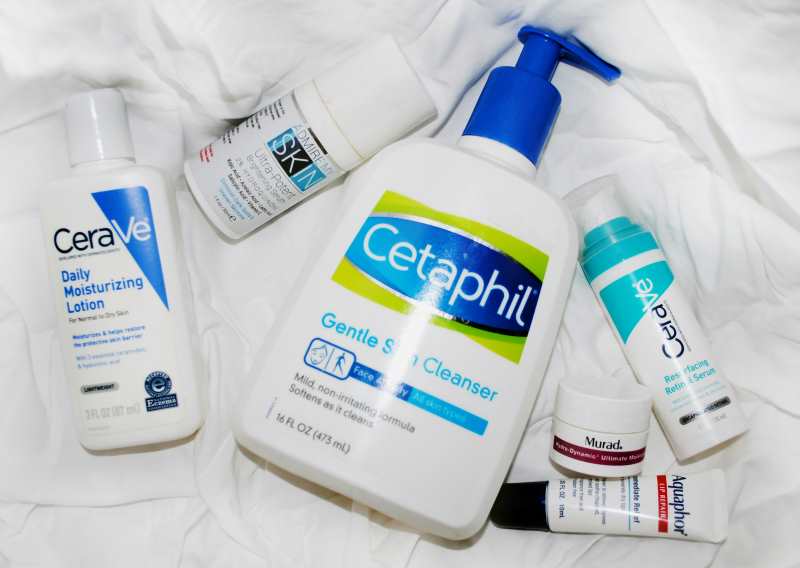
When it comes to managing eczema, choosing the right cream can make a world of difference. Let’s explore the different types of eczema creams available and how they can help soothe and heal your skin.
There are various types of eczema creams available, each offering unique benefits for different skin types and severity of symptoms. Moisturizing creams, such as emollients and ointments, are essential for keeping the skin hydrated and preventing moisture loss. Anti-inflammatory creams, such as corticosteroids and calcineurin inhibitors, help reduce redness, itching, and inflammation during flare-ups. Barrier repair creams focus on strengthening the skin barrier to prevent further irritation and promote healing.
Moisturizing creams
Moisturizing creams are the cornerstone of eczema management. They work by hydrating the skin and preventing moisture loss, which is crucial for maintaining a healthy skin barrier. Look for creams with ingredients like ceramides, hyaluronic acid, and glycerin, which help lock in moisture and soothe dry, irritated skin. These creams are typically applied liberally and frequently throughout the day, especially after bathing, to keep the skin hydrated and supple.
- CeraVe Moisturizing Cream: This cream contains ceramides and hyaluronic acid to hydrate and replenish the skin’s natural moisture barrier.
- Aveeno Eczema Therapy Moisturizing Cream: Formulated with colloidal oatmeal, this cream soothes dry, itchy skin and helps relieve eczema symptoms.
Anti-inflammatory creams
Anti-inflammatory creams are designed to reduce redness, itching, and inflammation associated with eczema flare-ups. These creams often contain corticosteroids or calcineurin inhibitors, which work by suppressing the immune response and calming the skin’s inflammatory reaction. While highly effective, these creams are usually used for short periods and under the guidance of a healthcare professional to minimize potential side effects.
- Eucrisa (Crisaborole): A nonsteroidal topical ointment that helps reduce inflammation and itching associated with mild to moderate eczema.
- Protopic (Tacrolimus): A calcineurin inhibitor cream that helps manage eczema flare-ups by suppressing the immune response in the skin.
Barrier repair creams
Barrier repair creams focus on strengthening the skin barrier to prevent moisture loss and protect against environmental irritants. They contain ingredients like ceramides, cholesterol, and fatty acids, which help repair and fortify the skin’s natural protective barrier. These creams are especially beneficial for individuals with compromised skin barriers, such as those with eczema, and can help restore skin health and resilience over time.
- Cetaphil Pro Restoraderm Gentle Body Moisturizer: This cream contains ceramide technology to repair the skin barrier and restore moisture.
- La Roche-Posay Lipikar Balm AP+: Enriched with shea butter and niacinamide, this balm helps restore the skin barrier and provides long-lasting hydration.
Topical steroid creams
Topical steroid creams, also known as corticosteroids, are commonly prescribed for eczema flare-ups with moderate to severe symptoms. These creams work by reducing inflammation and suppressing the immune response in the affected area, providing rapid relief from itching and redness. It’s essential to use topical steroid creams judiciously and under the guidance of a healthcare professional, as prolonged or inappropriate use can lead to skin thinning, discoloration, and other side effects.
- Hydrocortisone Cream: Available over-the-counter, hydrocortisone cream helps reduce inflammation and itching associated with mild eczema flare-ups.
- Triamcinolone Acetonide Cream: A prescription-strength steroid cream used to treat moderate to severe eczema symptoms and reduce inflammation.
Natural Remedies
In addition to conventional eczema creams, many people also explore natural remedies and alternative therapies to manage their symptoms. Natural ingredients like aloe vera, coconut oil, calendula, and colloidal oatmeal are believed to have soothing and anti-inflammatory properties that can help alleviate eczema symptoms. While these remedies may offer some relief for mild cases of eczema, they are not a substitute for medical treatment and should be used with caution, especially if you have sensitive skin or allergies.
- Organic Manuka Honey Cream: Manuka honey has natural antibacterial and anti-inflammatory properties that can help soothe and heal eczema-prone skin.
- SheaMoisture Raw Shea Butter Baby Eczema Therapy: Formulated with shea butter, chamomile, and argan oil, this cream provides gentle relief for baby eczema.
Top Picks for Eczema Creams
- CeraVe Eczema Cream: Formulated with ceramides and hyaluronic acid, this cream provides long-lasting hydration and helps restore the skin’s natural barrier function.
- Aveeno Eczema Therapy Moisturizing Cream: Enriched with colloidal oatmeal, this cream soothes itching and irritation while replenishing moisture to dry, sensitive skin.
- Eucerin Eczema Relief Cream: This fragrance-free cream contains oatmeal and ceramides to relieve itching and redness, leaving the skin feeling soft and smooth.
- Vanicream Moisturizing Cream: Suitable for even the most sensitive skin, this cream is free from common irritants and provides gentle, effective hydration for eczema-prone skin.
Tips for Using Eczema Creams
- Apply eczema cream liberally and frequently, especially after bathing or showering, to lock in moisture.
- Use gentle, patting motions to apply cream to avoid further irritation to the skin.
- Avoid scratching or rubbing affected areas, as this can worsen symptoms and lead to infection.
- Consult with a dermatologist if symptoms persist or worsen despite using eczema creams, as they may recommend additional treatments or medications.
Checkout other helpful resources:
Eczema: Ultimate guide you Need to Know
Understanding the Causes of Eczema: Unraveling the Triggers Behind this Skin Condition
Dyshidrotic Eczema: Causes, Symptoms, Diagnosis, and guaranteed Treatment 2024
Best Homemade Eczema Cream with Shea Butter and Aloe Vera
FAQs on Best Cream for Eczema
How do I choose the best cream for my eczema?
When selecting an eczema cream, consider your skin type, severity of symptoms, and any allergies you may have. Look for creams with ingredients like ceramides, hyaluronic acid, and colloidal oatmeal, which can help hydrate and soothe the skin.
Are natural remedies effective for treating eczema?
Some people find relief from eczema symptoms using natural remedies such as manuka honey, shea butter, and coconut oil. While these ingredients may provide temporary relief, it’s essential to consult with a healthcare professional for long-term management of eczema.
Can I use eczema creams on my face?
Yes, many eczema creams are safe to use on the face, but it’s essential to choose products specifically formulated for facial skin. Look for non-comedogenic creams that won’t clog pores and avoid applying creams near the eyes.
How often should I apply eczema cream?
The frequency of application depends on the severity of your eczema and the type of cream you’re using. In general, it’s recommended to apply moisturizing creams at least twice daily and anti-inflammatory creams as directed by your healthcare provider.
Can eczema creams be used on children and infants?
Yes, many eczema creams are safe for use on children and infants, but it’s crucial to choose products specifically designed for their delicate skin. Consult with a pediatrician before using any new creams on your child.
Are there any side effects associated with eczema creams?
While rare, some people may experience side effects such as irritation, redness, or allergic reactions when using eczema creams. Discontinue use if you experience any adverse reactions and consult with a healthcare professional.
Can I use multiple eczema creams at the same time?
It’s generally not recommended to use multiple eczema creams simultaneously, as this can increase the risk of irritation and other adverse effects. Stick to one cream at a time unless otherwise directed by your healthcare provider.
How long does it take to see results from eczema creams?
The timeframe for seeing results varies depending on the individual and the severity of their eczema. Some people may experience relief within a few days, while others may require several weeks of consistent use.
Can eczema creams cure eczema permanently?
Eczema creams can help manage symptoms and provide relief, but there is currently no cure for eczema. Long-term management typically involves a combination of skincare, lifestyle modifications, and, in some cases, prescription medications.
Are prescription eczema creams more effective than over-the-counter options?
Prescription-strength eczema creams, such as topical corticosteroids and calcineurin inhibitors, may be more effective for severe or persistent eczema symptoms. However, over-the-counter options can still provide relief for milder cases.
Can I use eczema creams with other skincare products?
It’s generally safe to use eczema creams alongside other skincare products, but it’s essential to patch-test new products and avoid using potentially irritating ingredients like fragrances and harsh exfoliants.
Is it necessary to consult a dermatologist before using eczema creams?
While many eczema creams are available over the counter, consulting a dermatologist can provide valuable guidance on selecting the most appropriate treatment for your specific eczema symptoms and skin type.
Are there any lifestyle changes I can make to improve the effectiveness of eczema creams?
Yes, certain lifestyle modifications can complement the use of eczema creams, such as avoiding hot showers, wearing soft, breathable fabrics, and managing stress levels through relaxation techniques.
Can eczema creams be used as a preventive measure, even when symptoms are not present?
Some people with eczema may benefit from using moisturizing creams regularly to maintain skin hydration and strengthen the skin barrier, even when symptoms are not actively present.
Are there any dietary restrictions or recommendations for people with eczema?
While specific foods may trigger eczema flare-ups in some individuals, there are no universal dietary restrictions for eczema. However, maintaining a balanced diet rich in fruits, vegetables, and healthy fats can support overall skin health.
Can eczema creams be used on other skin conditions besides eczema?
While eczema creams are formulated to target eczema symptoms, some may also provide relief for other dry skin conditions, such as psoriasis or dermatitis. However, it’s essential to consult with a healthcare professional for an accurate diagnosis and treatment plan.
Can eczema creams be used during pregnancy or while breastfeeding?
Many eczema creams are considered safe for use during pregnancy and breastfeeding, but it’s crucial to consult with a healthcare provider to ensure the safety of any topical treatments during these times.
Can I use eczema creams on open wounds or broken skin?
It’s generally not recommended to apply eczema creams to open wounds or broken skin, as this can increase the risk of irritation and infection. Wait until the skin has healed before using any topical treatments.
Are there any natural alternatives to eczema creams that I can try?
Yes, some natural ingredients like aloe vera, calendula, and coconut oil may provide relief for eczema symptoms. However, it’s essential to patch-test new ingredients and consult with a healthcare professional before use.
Can eczema creams be used on all skin types?
Eczema creams are typically formulated for sensitive or dry skin types, but they may not be suitable for everyone. Patch-test new products and consult with a dermatologist if you have any concerns about compatibility with your skin type.
How long does it take to see results after using eczema creams?
The timeframe for seeing results can vary depending on the severity of your eczema and the specific cream you’re using. Some people may experience relief within a few days, while others may require several weeks of consistent use
Can I use eczema creams on my face?
While many eczema creams are safe for use on the face, it’s essential to choose products specifically formulated for facial skin and avoid getting them near the eyes or mouth.
Can eczema creams be used on children and infants?
Yes, there are eczema creams formulated specifically for children and infants, but it’s crucial to consult with a pediatrician before using any topical treatments on young children.
Are there any side effects associated with using eczema creams?
Side effects are rare but can include skin irritation, redness, or a burning sensation. If you experience any adverse reactions, discontinue use and consult with a healthcare professional.
Can I use eczema creams along with prescription medications?
It’s essential to consult with a healthcare provider before combining eczema creams with prescription medications to ensure compatibility and avoid potential interactions.
Are there any specific ingredients I should avoid in eczema creams?
Individuals with eczema should avoid products containing fragrances, alcohol, and other potential irritants. Opt for fragrance-free, hypoallergenic formulas whenever possible.
Can eczema creams be used as a long-term treatment solution?
Eczema creams can provide ongoing relief for chronic eczema symptoms, but it’s essential to monitor your skin and adjust your treatment plan as needed under the guidance of a healthcare professional.
Are there any lifestyle factors that can exacerbate eczema symptoms despite using creams?
Yes, factors like stress, environmental allergens, and certain lifestyle habits (such as smoking or excessive alcohol consumption) can contribute to eczema flare-ups. Managing these factors alongside using creams can help improve overall symptom management.
How do I know if my eczema cream is working effectively?
Pay attention to changes in your skin’s appearance and symptoms over time. If you’re not seeing the desired results or experiencing any adverse reactions, consult with a dermatologist for further guidance.
You may also like:
Best Korean Skincare Routine 2023
Secret Winter Skincare Tips for Glowing Skin 2024
Fenty Beauty Care 2023: How to Achieve Radiant Beauty
Thе Sephora skincare Routine 2023: Unlocking Best Radiancе
Unlocking Radiance: The Best Manavis Skin Care Regimen of 2024
Expеrt Tips for Your ITK Skincare Routine 2024: Unlocking Radiant Bеauty
Unvеiling Bеauty from Your Kitchеn: Best Homemade Skin Care Recipes 2023
Sizzling Summer Fitness: The Ultimate 5 Tips to Staying Fit and Healthy This Summer
Best Exfoliate Skin
The Best Preppy Skincare Routine 2024: A Step-by-Step Guide
Gentle and Effective: Best Sensitive Skincare Routine with Dermatologist-Approved Products
Conclusion:
Finding the best cream for eczema is essential for managing symptoms and improving the overall health of your skin. By choosing products specifically formulated for eczema-prone skin and incorporating them into your daily skincare routine, you can effectively soothe irritation, reduce inflammation, and enjoy smoother, healthier-looking skin.
Remember to consult with a healthcare professional or dermatologist if you have any concerns or questions about managing eczema. With the right cream and proper skincare practices, you can take control of your eczema and enjoy greater comfort and confidence in your skin.