
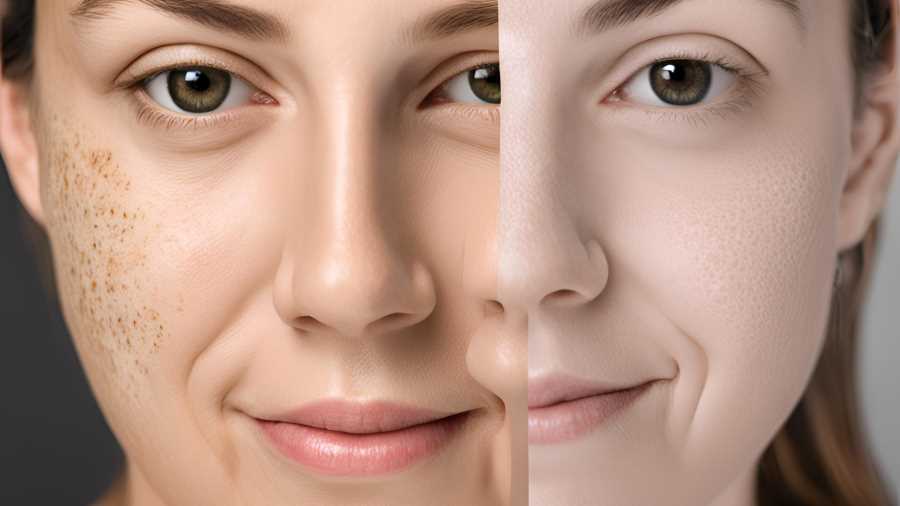
Dark spots, also known as hyperpigmentation, are a common skin concern that can affect people of all ages and skin types. Whether caused by sun exposure, aging, hormonal changes, or skin trauma, dark spots can be frustrating to deal with. In this comprehensive guide, we’ll delve into the causes, types, and treatment options for dark spots to help you better understand and address this skincare issue.
Causes of Dark Spots
Sun Exposure:
- Prolonged exposure to the sun’s harmful UV rays is one of the primary causes of dark spots. UV radiation stimulates the production of melanin, the pigment responsible for skin color, leading to the formation of sunspots or solar lentigines.
- Sunspots typically appear on areas of the skin that are frequently exposed to the sun, such as the face, hands, arms, and shoulders.
Aging:
- As we age, our skin’s ability to regenerate and repair itself diminishes, resulting in the accumulation of pigmented cells and the formation of age spots or liver spots.
- Age spots are characterized by flat, brown or grayish patches that typically develop on areas of the skin that have experienced long-term sun exposure over the years.
Hormonal Changes:
- Hormonal fluctuations, particularly during pregnancy, menopause, or while taking hormonal medications such as birth control pills, can trigger the overproduction of melanin in the skin, leading to a condition known as melasma.
- Melasma presents as symmetrical patches of dark, discolored skin on the face, often occurring on the cheeks, forehead, upper lip, and chin.
Post-Inflammatory Hyperpigmentation (PIH):
- PIH occurs as a result of skin trauma or inflammation, such as acne, cuts, burns, or insect bites. In response to injury, the skin produces excess melanin, leading to the formation of dark spots or discoloration at the site of the injury.
- PIH can affect individuals of all skin tones and may persist long after the initial inflammation has healed.
Types of Dark Spots
Sunspots (Solar Lentigines):
- Sunspots are flat, brown or tan-colored patches that develop on sun-exposed areas of the skin, such as the face, hands, arms, and shoulders.
- They are typically round or oval in shape and vary in size, ranging from a few millimeters to several centimeters in diameter.
- Sunspots are harmless but can be aesthetically displeasing, leading many individuals to seek treatment for their removal.
Age Spots (Liver Spots):
- Age spots, also known as liver spots or lentigines, are similar in appearance to sunspots but are associated with the natural aging process rather than sun exposure alone.
- They often appear as flat, brown or grayish patches on the skin, particularly in areas that receive the most sun exposure over time.
- While age spots are benign and harmless, they can be a cosmetic concern for some individuals, prompting them to explore treatment options for their removal.
Melasma:

- Melasma is a common skin condition characterized by symmetrical patches of dark, hyperpigmented skin on the face, especially on the cheeks, forehead, upper lip, and chin.
- It is more prevalent in women, particularly those with darker skin tones, and is often triggered by hormonal changes associated with pregnancy, oral contraceptives, or hormone replacement therapy.
- Melasma patches may vary in size, shape, and intensity, and can be exacerbated by sun exposure, heat, and hormonal fluctuations.
Post-Inflammatory Hyperpigmentation (PIH):
- PIH refers to dark spots or patches of discoloration that develop as a result of inflammation or injury to the skin, such as acne, cuts, burns, or insect bites.
- These dark spots may range in color from pink, red, or purple to brown or black, depending on the individual’s skin tone and the severity of the injury.
- PIH can be temporary or persistent, with some cases resolving on their own over time while others require targeted treatment for improvement.
Treatment Options for Dark Spots
Topical Treatments:
- Over-the-counter (OTC) and prescription-strength topical treatments containing ingredients such as hydroquinone, retinoids (e.g., tretinoin, adapalene), vitamin C, niacinamide, alpha hydroxy acids (AHAs), and kojic acid can help fade dark spots and even out skin tone.
- These ingredients work by inhibiting melanin production, promoting cell turnover, and brightening the skin.
Laser Therapy:
- Laser treatments, such as intense pulsed light (IPL) therapy, fractional laser therapy, and Q-switched lasers, can target and break down melanin deposits in the skin, leading to the gradual fading of dark spots.
- Laser therapy offers precise and targeted treatment with minimal downtime, making it an effective option for stubborn
Chemical Peels:
- Chemical peels involve the application of a chemical solution to the skin, which exfoliates the outer layers of the skin and promotes cell turnover. This process helps to reduce the appearance of dark spots and improve skin texture and tone.
- Peels containing ingredients such as glycolic acid, salicylic acid, lactic acid, or trichloroacetic acid (TCA) are commonly used to treat hyperpigmentation and reveal brighter, more evenly toned skin.
Microdermabrasion:
- Microdermabrasion is a non-invasive exfoliation technique that uses a handheld device to gently remove the outer layer of dead skin cells, revealing fresher, smoother skin underneath.
- While microdermabrasion is not as effective as laser therapy or chemical peels for treating deep-seated dark spots, it can help improve overall skin texture and tone and enhance the penetration of topical treatments.
Prescription Medications:
- In some cases, dermatologists may prescribe oral medications, such as oral contraceptives, hormonal therapy, or oral tranexamic acid, to help regulate hormone levels and reduce the appearance of melasma.
- Prescription-strength topical treatments, such as compounded formulations containing multiple active ingredients or higher concentrations of hydroquinone or retinoids, may also be recommended for stubborn or resistant dark spots.
Sun Protection:
- Sun protection is essential for preventing the worsening of existing dark spots and the formation of new ones. Sunscreen with broad-spectrum SPF 30 or higher should be applied daily, even on cloudy days or indoors.
- Additionally, wearing protective clothing, seeking shade, and avoiding peak sun hours can help minimize sun damage and protect against further hyperpigmentation.
Checkout other helpful resources:
Pimples: Causes, Prevention and Treatment
Eczema: Ultimate guide you Need to Know
Understanding the Causes of Eczema: Unraveling the Triggers Behind this Skin Condition
FAQs
What are dark spots, and what causes them?
Dark spots, also known as hyperpigmentation, are areas of skin that appear darker than the surrounding skin due to an excess of melanin. They can be caused by various factors such as sun exposure, aging, hormonal changes, and skin trauma.
Are dark spots harmful, and should I be concerned about them?
In most cases, dark spots are harmless and primarily a cosmetic concern. However, they can affect one’s self-esteem and confidence. If you notice any changes in size, shape, or color of your dark spots, it’s essential to consult a dermatologist to rule out any underlying skin conditions.
What are the different types of dark spots?
Dark spots can manifest in various forms, including sunspots (solar lentigines), age spots (liver spots), melasma, and post-inflammatory hyperpigmentation (PIH). Each type may have different causes and treatments.
How can I prevent dark spots from forming?
Prevention measures include wearing sunscreen daily, avoiding prolonged sun exposure, wearing protective clothing and accessories, maintaining a healthy skincare routine, and managing hormonal fluctuations through lifestyle and dietary choices.
What are the best treatment options for dark spots?
Treatment options for dark spots may include topical treatments (e.g., hydroquinone, retinoids, vitamin C), in-office procedures (e.g., laser therapy, chemical peels, microdermabrasion), prescription medications, and lifestyle modifications. The best treatment for you will depend on the type and severity of your dark spots and your skin type.
How long does it take to see results from dark spot treatments?
Results may vary depending on the chosen treatment method, the severity of the dark spots, and individual skin characteristics. While some treatments may yield visible improvements within a few weeks, others may require several months of consistent use for optimal results.
Are there any natural remedies for fading dark spots?
Some natural ingredients, such as lemon juice, apple cider vinegar, aloe vera, and green tea extract, are believed to have skin-brightening properties and may help fade dark spots over time. However, it’s essential to use caution and perform a patch test before trying any home remedies to avoid adverse reactions.
Can dark spots come back after treatment?
Yes, dark spots may reappear or darken again, especially with continued sun exposure or hormonal changes. To prevent recurrence, it’s crucial to maintain a consistent skincare routine, wear sunscreen daily, and follow sun protection practices. Regular follow-up appointments with a dermatologist may also be necessary for monitoring and adjusting treatment as needed.
Conclusion
Understanding the causes, types, and treatment options for dark spots is essential for effectively managing this common skincare concern. Whether caused by sun exposure, aging, hormonal changes, or skin trauma, dark spots can be addressed through a combination of topical treatments, in-office procedures, lifestyle modifications, and sun protection measures. By consulting with a dermatologist and implementing a personalized treatment plan, individuals can achieve clearer, more even-toned skin and regain their confidence and self-esteem. Remember to be patient and consistent in your skincare routine, as results may take time to manifest, but with dedication and proper care, dark spots can be successfully treated and minimized.
While many dark spots are harmless and can be treated with over-the-counter products, certain changes and symptoms necessitate professional evaluation. Consulting a dermatologist ensures that you receive an accurate diagnosis and the most effective treatment plan tailored to your specific needs, promoting better skin health and peace of mind.