
Introduction
As the vibrant days of summer fade and the cooler air of autumn sets in, it’s not just your wardrobe that requires an update—your skincare routine also needs a seasonal adjustment. The transition from summer to fall brings unique challenges for your skin. The humidity drops, the air becomes drier, and the sun’s intensity lessens. These changes can leave your skin feeling dehydrated, irritated, and dull if you’re not prepared.
Many people overlook the importance of adapting their skincare as the seasons shift, but your skin’s needs vary dramatically throughout the year. What worked perfectly during the hot, humid months of summer might not provide the same benefits as cooler, drier air moves in.
In this in-depth guide, we’ll walk you through how to transition your skincare routine from summer to fall. From switching to more nourishing cleansers to the importance of continued sun protection, we’ll cover everything you need to know to keep your skin glowing as the leaves start to fall. Whether you struggle with dry patches, breakouts, or increased sensitivity during the seasonal shift, these expert-backed tips and product recommendations will help your skin thrive through autumn.
Why Your Skin Needs a Different Routine in Fall
Seasonal changes impact more than just the environment—they also affect your skin in profound ways. It’s easy to assume that since the sun isn’t as intense or the temperatures aren’t as high, you can continue with your summer skincare routine. However, this is far from true.
1. The Decrease in Humidity
Summer is characterized by higher humidity levels, which help your skin stay more hydrated. Even if you have oily or combination skin, the moisture in the air helps keep the skin barrier intact. Once fall arrives, the air becomes noticeably drier, which pulls moisture from the skin. This lack of humidity can make your skin feel tight, dry, and uncomfortable, especially for those prone to dry or sensitive skin types.
As the moisture in the air decreases, your skin’s natural moisture levels start to drop, leading to dehydration. Hydration, both internally and externally, becomes a priority as you move into autumn. The products that kept your skin matte and shine-free during the summer may no longer be sufficient to protect your skin from moisture loss in fall.
2. Cooler Temperatures
In addition to the drop in humidity, cooler temperatures lead to less oil production in the skin. Sebum, the natural oil produced by your skin, acts as a protective barrier to prevent moisture loss. When the weather cools, the skin produces less sebum, which makes it easier for your skin to become dehydrated and irritated.
The lack of oil can also cause your skin to lose its natural glow, making it appear duller and less radiant. Fall skincare should focus on boosting hydration, protecting the skin’s barrier, and maintaining moisture levels.
3. UV Exposure and Seasonal Sun Damage
One of the most common mistakes people make during the fall is assuming that UV exposure is no longer a concern. While the intensity of UVB rays (which cause sunburn) decreases during the cooler months, UVA rays (which penetrate deeper into the skin and cause long-term damage such as premature aging) are present year-round.
Your skin may still be recovering from the increased sun exposure during summer, meaning that fall is a critical time to repair damage, including hyperpigmentation and dryness. Without proper care, this damage can become more pronounced as the cooler air weakens the skin’s defenses.
Understanding the Impact of Weather on Your Skin
1. UV Exposure
Even as the sun’s heat fades, UVA rays remain a year-round threat to your skin’s health. While the damaging effects of these rays might not be immediately noticeable, they are responsible for long-term skin aging, collagen breakdown, and the formation of fine lines and wrinkles.
Sunscreen is often overlooked in fall, but skipping SPF can lead to cumulative skin damage. The cloud cover that often accompanies fall weather does little to block out UV rays. In fact, up to 80% of UV rays can penetrate through clouds. This makes daily sunscreen application essential, even on overcast days.
While you might have used a lightweight or gel-based sunscreen during the summer, fall is the perfect time to switch to a more moisturizing formula. Look for sunscreens with hydrating ingredients like hyaluronic acid or glycerin to protect your skin from both UV damage and moisture loss.
2. Changes in Humidity Levels
Humidity plays a crucial role in maintaining your skin’s moisture levels. During the summer, higher humidity helps your skin retain moisture naturally, and sebum production is typically higher to manage the extra sweat and heat. However, as humidity levels drop during fall, the air becomes drier, pulling moisture from your skin and leaving it feeling tight and dehydrated.
For those with oily skin, the shift in humidity may actually lead to a reduction in oil production, which can be a welcome relief after a greasy summer. However, for individuals with dry or sensitive skin, the reduced humidity can exacerbate issues like flakiness, irritation, and redness.
The key to combating lower humidity is to focus on products that hydrate and protect the skin barrier. Layering products like hydrating serums, richer moisturizers, and facial oils can help lock in moisture and prevent water loss.
3. Cooler Temperatures
As the temperature drops, blood vessels in the skin constrict, which reduces circulation and slows down cell turnover. This results in a duller, more tired-looking complexion. The skin’s natural oil production also decreases, leading to dry patches and an overall lack of moisture.
During fall, it’s important to be mindful of how your skin responds to these temperature changes. Those with combination or oily skin may notice that their T-zone becomes less oily, while those with dry skin might experience increased flakiness or irritation.
To counteract the effects of cooler temperatures, focus on strengthening your skin’s natural barrier by incorporating ingredients like ceramides and squalane into your routine. These help lock in moisture and protect the skin from environmental stressors.
Signs Your Summer Skincare Routine Isn’t Enough for Fall
If you’re unsure whether your summer skincare routine is still working for you, there are several telltale signs that indicate your skin needs more protection and hydration during the fall. Ignoring these signs can lead to more severe issues, like chronic dryness or skin sensitivity.
1. Flaky Skin
One of the most obvious signs that your skin needs extra care is the appearance of flaky or peeling skin. This happens when the top layer of your skin becomes dehydrated and begins to shed unevenly. During summer, the combination of heat, sweat, and oil production helps maintain your skin’s moisture levels, but fall’s drier air strips away the natural oils that protect your skin, leading to flakiness.
2. Tightness and Discomfort
If your skin feels tight after washing or cleansing, it’s a sign that your current routine is too drying for the cooler months. Summer cleansers, which are often more astringent to combat excess oil, can strip away the natural oils that your skin needs to maintain moisture in the fall. This tight feeling is a result of moisture loss, and it’s a clear sign that your skin is in need of more hydration.
3. Dull Complexion
During summer, your skin is often more radiant due to increased hydration and natural oils. But as the weather cools, a lack of hydration can cause your skin to lose its healthy glow. A dull complexion can be a sign that your skin isn’t receiving enough moisture or nutrients.
4. Increased Sensitivity
As your skin barrier weakens due to dry air and cooler temperatures, your skin can become more prone to sensitivity. You might notice that your skin feels irritated or red, especially after using certain products. This is a clear sign that your skin barrier needs reinforcement, and your current routine is not providing the hydration and protection it requires.
5. Patches of Redness
Redness or irritation, especially around your cheeks or nose, is a common sign that your skin is struggling to adapt to the drier air. This could be due to a compromised skin barrier or inflammation from environmental stressors. Switching to a gentler, more hydrating routine can help soothe irritation and calm redness.
If you notice any of these signs, it’s time to reassess your skincare products and make the necessary adjustments to ensure your skin remains healthy and comfortable as the seasons change.
Step-by-Step Guide to Transition Your Skincare Routine from Summer to Fall
Transitioning your skincare routine doesn’t have to be overwhelming. By making gradual changes and paying attention to your skin’s needs, you can create a fall-friendly skincare regimen that keeps your skin hydrated, healthy, and glowing.
1. Switch to a Gentle Cleanser
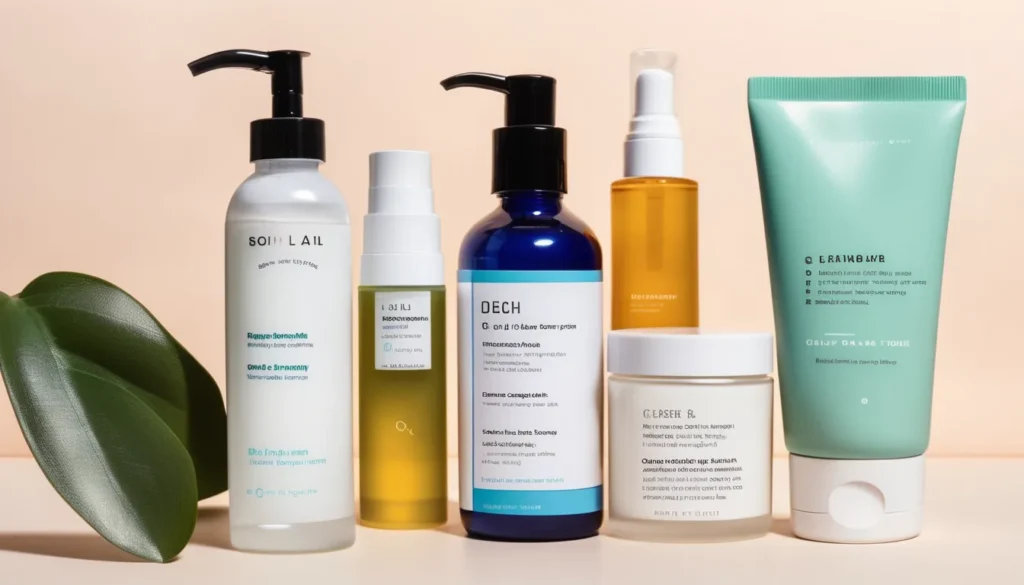
During the summer, gel cleansers and foaming formulas that control oil and prevent breakouts might have been essential. But as fall sets in, it’s time to swap these out for a more hydrating, gentle cleanser that won’t strip your skin of moisture. Cleansing is the foundation of any skincare routine, but using a cleanser that’s too harsh can lead to dryness and irritation.
Look for creamy, hydrating cleansers that include soothing ingredients like glycerin, ceramides, and hyaluronic acid. These will cleanse your skin without stripping it of its natural oils, leaving it soft and hydrated.
Recommended Products:
- CeraVe Hydrating Cleanser
- Fresh Soy Face Cleanser
2. Opt for a Hydrating Toner
Toners are often overlooked, but they play an important role in balancing your skin’s pH and prepping it for the next steps in your routine. In the fall, swap out any astringent or alcohol-based toners for a hydrating formula. Alcohol-based toners can be drying, especially as the weather cools down.
Instead, choose toners with ingredients like hyaluronic acid, aloe vera, or rose water to help maintain moisture levels and soothe your skin.
Recommended Products:
- Klairs Supple Preparation Unscented Toner
- La Roche-Posay Soothing Hydrating Toner
3. Incorporate Richer Moisturizers
The lightweight, gel-based moisturizers that worked well in the summer might not provide enough hydration in the fall. As the air becomes drier, your skin will need a more substantial moisturizer to lock in hydration and protect your skin barrier.
Look for creams with ingredients like ceramides, squalane, and shea butter. These ingredients help to reinforce the skin barrier and prevent moisture loss, which is essential during cooler months.
Recommended Products:
- La Roche-Posay Toleriane Double Repair Face Moisturizer
- First Aid Beauty Ultra Repair Cream
4. Start Using a Nourishing Facial Oil
Facial oils are a great addition to your fall skincare routine because they provide an extra layer of hydration and help to lock in moisture. If you’ve never used facial oils before, fall is the perfect time to start. Oils like rosehip, squalane, and jojoba mimic your skin’s natural oils, providing deep nourishment without feeling greasy.
Facial oils can be layered on top of your moisturizer or mixed in with your cream for a hydration boost. They’re especially beneficial for dry or combination skin types that need extra moisture during fall.
Recommended Products:
- The Ordinary 100% Plant-Derived Squalane
- Pai Rosehip BioRegenerate Oil
5. Don’t Forget Sunscreen (Yes, Even in Fall)
Sunscreen is often the first product to get dropped from skincare routines as the weather cools, but this is a mistake. Even though the sun feels less intense, UVA rays remain strong throughout the year. These rays are responsible for long-term skin damage, including premature aging, dark spots, and even skin cancer.
Opt for a sunscreen with at least SPF 30 and make sure it offers broad-spectrum protection. If you’re concerned about hydration, choose a sunscreen with moisturizing ingredients like glycerin or hyaluronic acid.
Recommended Products:
- EltaMD UV Clear Broad-Spectrum SPF 46
- Supergoop! Unseen Sunscreen SPF 40
6. Add an Exfoliating Product (But Don’t Overdo It)
Exfoliation helps to remove dead skin cells and improve the texture of your skin, but overdoing it can weaken your skin barrier, especially as it becomes more sensitive in the fall. The key to effective exfoliation during the fall is to choose a gentle product and use it no more than 2-3 times a week.
Gentle exfoliants like lactic acid, mandelic acid, or polyhydroxy acids (PHAs) are great for sensitive or dry skin. These will help to smooth your skin’s texture without causing irritation or dehydration.
Recommended Products:
- Paula’s Choice 2% BHA Liquid Exfoliant
- The Inkey List PHA Toner
7. Pay Attention to Eye and Lip Care
The delicate skin around your eyes and lips is particularly vulnerable to the drying effects of fall weather. Cold air and wind can easily dry out these areas, leading to fine lines, puffiness, and chapped lips.
To combat this, switch to a hydrating eye cream and a rich lip balm. Look for eye creams that contain peptides or hyaluronic acid to help keep the under-eye area plump and hydrated. For your lips, choose balms with nourishing ingredients like beeswax, shea butter, or lanolin.
Recommended Products:
- Kiehl’s Creamy Eye Treatment with Avocado
- Laneige Lip Sleeping Mask
8. Consider Adding Retinoids
Fall is the perfect time to introduce retinoids into your routine if you haven’t already. Retinoids help to increase cell turnover, boost collagen production, and improve the appearance of fine lines, dark spots, and uneven texture. They can be a bit drying, so it’s important to start slow and always follow with a rich moisturizer.
Since the sun is less intense in the fall, it’s easier to incorporate retinoids into your routine without worrying about increased sensitivity to sunlight. However, make sure you’re still using sunscreen daily when using retinoids.
Recommended Products:
- The Ordinary Retinol 0.5% in Squalane
- Differin Adapalene Gel 0.1%
9. Don’t Neglect Body Skincare
While we tend to focus primarily on our faces, the skin on your body also needs extra care as the weather cools. Dry, itchy skin is common during the fall, especially on areas like your legs, arms, and hands. Incorporate a thicker body lotion or body butter into your routine to lock in moisture and prevent irritation.
Look for body products with nourishing ingredients like shea butter, glycerin, or coconut oil. Applying lotion or oil right after you shower, while your skin is still damp, will help to seal in moisture.
Recommended Products:
- CeraVe Moisturizing Cream
- Aveeno Daily Moisturizing Lotion
Recommended Ingredients for Fall Skincare
Fall skincare is all about moisture retention and protecting the skin barrier. As temperatures drop and humidity decreases, the following ingredients can make a world of difference in maintaining healthy, hydrated skin.
1. Hyaluronic Acid
Hyaluronic acid is a powerful humectant that draws moisture from the environment into the skin, helping to maintain hydration levels. It’s a must-have ingredient in fall as it helps to counteract the moisture loss caused by dry, cool air.
Whether in a serum or incorporated into your moisturizer, hyaluronic acid provides an instant hydration boost that leaves your skin feeling plump and hydrated.
2. Ceramides
Ceramides are lipids that naturally occur in the skin and play a crucial role in maintaining the skin’s barrier function. As the skin becomes drier in fall, its natural ceramide levels can deplete, leading to a compromised barrier.
Look for moisturizers that contain ceramides to help restore the skin barrier and lock in moisture. They’re especially beneficial for sensitive or dry skin types that need extra protection during cooler months.
3. Glycerin
Glycerin is another humectant that draws moisture into the skin. It’s a lightweight ingredient that doesn’t feel greasy or heavy, making it suitable for all skin types. Glycerin helps prevent moisture loss and can be found in cleansers, toners, and moisturizers.
4. Squalane
Squalane is a lightweight, non-greasy oil that mimics the natural oils found in your skin. It’s perfect for fall because it helps to reinforce the skin barrier and prevent moisture loss. Unlike heavier oils, squalane absorbs quickly into the skin without leaving a greasy residue, making it suitable for all skin types, even oily or acne-prone skin.
5. Shea Butter
Shea butter is rich in fatty acids, making it a deeply moisturizing ingredient that helps to soothe dry, irritated skin. It’s an ideal ingredient for body lotions and creams, especially if you experience dry patches or irritation during the fall.
6. Niacinamide
Niacinamide, also known as vitamin B3, is a versatile ingredient that helps to improve skin elasticity, strengthen the skin barrier, and even out skin tone. It’s also anti-inflammatory, which makes it great for reducing redness and irritation caused by dry, cool air. Incorporating niacinamide into your routine during the fall will help to keep your skin calm and balanced.
Best Skincare Products for Fall 2024
Navigating the overwhelming number of skincare products on the market can be daunting, but we’ve curated a list of some of the best skincare products for fall 2024. These products are designed to protect your skin from the cooler, drier air and keep it hydrated and glowing all season long.
1. Best Cleanser: CeraVe Hydrating Cleanser
This creamy, hydrating cleanser is formulated with ceramides and hyaluronic acid to help restore the skin barrier while cleansing. It’s perfect for the fall because it removes dirt and makeup without stripping the skin of its natural moisture.
2. Best Moisturizer: La Roche-Posay Toleriane Double Repair Face Moisturizer
This rich yet lightweight moisturizer provides long-lasting hydration and helps restore the skin’s barrier. Formulated with ceramides and niacinamide, it’s ideal for fall when your skin needs extra protection against dryness.
3. Best Facial Oil: The Ordinary Rosehip Seed Oil
Rosehip oil is packed with antioxidants and essential fatty acids that help nourish and repair the skin. This oil is lightweight yet deeply hydrating, making it a perfect addition to your fall skincare routine.
4. Best Exfoliant: Paula’s Choice 2% BHA Liquid Exfoliant
This gentle exfoliant contains salicylic acid, which helps to remove dead skin cells and keep pores clear. It’s gentle enough to use a few times a week and won’t dry out your skin, making it a great choice for fall.
5. Best Sunscreen: EltaMD UV Clear Broad-Spectrum SPF 46
This lightweight sunscreen offers broad-spectrum protection against both UVA and UVB rays. It’s non-comedogenic, meaning it won’t clog pores, and it also contains niacinamide, which helps soothe and protect your skin.
6. Best Eye Cream: Kiehl’s Creamy Eye Treatment with Avocado
This rich, hydrating eye cream is formulated with avocado oil to help nourish the delicate skin around the eyes. It provides intense hydration without feeling heavy, making it perfect for the cooler months.
7. Best Lip Balm: Laneige Lip Sleeping Mask
This overnight lip treatment is formulated with a blend of hydrating ingredients to keep your lips soft and smooth. It’s a must-have for fall when chapped lips become more common.
Common Mistakes to Avoid When Changing Skincare for Fall
Making the transition from summer to fall skincare doesn’t just involve adding new products—it’s about making smart adjustments and avoiding common pitfalls. Here are some mistakes to watch out for:
1. Over-exfoliating
It can be tempting to exfoliate more frequently to combat dullness and dry patches, but over-exfoliating can damage your skin’s barrier and lead to increased dryness or sensitivity. Stick to exfoliating 2-3 times a week with a gentle exfoliant to avoid over-stripping your skin.
2. Skipping Sunscreen
While the sun’s intensity decreases in fall, UV rays are still present and can cause long-term damage. It’s important to continue wearing sunscreen every day, even when it’s cloudy or cold. UV exposure is one of the leading causes of premature aging, so don’t let your sunscreen routine slide during the cooler months.
3. Not Switching Products Gradually
Introducing too many new products at once can overwhelm your skin and cause irritation. Instead of swapping your entire skincare routine all at once, introduce one new product at a time and monitor how your skin responds.
4. Neglecting Your Lips and Hands
Your lips and hands are often the first areas to show signs of dryness during fall. Be sure to use a nourishing lip balm and hand cream to prevent chapping and cracking. These areas require extra care as they’re more exposed to the elements.
Additional Fall Skincare Tips
To ensure your skin stays healthy and radiant all season long, here are a few additional tips to incorporate into your fall skincare routine:
1. Stay Hydrated
Hydration is key to healthy skin, especially during the fall when the air is drier. Be sure to drink plenty of water throughout the day to keep your skin hydrated from within. Dehydration can lead to dull, flaky skin, so make hydration a priority both inside and out.
2. Get Enough Sleep
Sleep plays a crucial role in skin health. Your skin undergoes repair and regeneration while you sleep, so aim for 7-8 hours of rest each night. Lack of sleep can lead to a dull complexion, dark circles, and even breakouts, so don’t underestimate the importance of beauty sleep.
3. Use a Humidifier
Indoor heating systems can dry out the air, which in turn dries out your skin. To combat this, use a humidifier in your bedroom or living space to maintain moisture levels in the air. This will help prevent your skin from becoming overly dry and irritated during the fall months.
4. Adjust Your Diet
What you eat can have a big impact on your skin. In the fall, focus on incorporating more omega-3 fatty acids into your diet, which help support skin hydration and elasticity. Foods like salmon, chia seeds, and walnuts are great options. Also, eat a variety of antioxidant-rich fruits and vegetables to help protect your skin from environmental stressors.
5. Layer Skincare Products Correctly
In fall, layering skincare products becomes even more important to ensure your skin receives maximum hydration and protection. Start with the lightest products, such as serums and toners, and finish with heavier moisturizers or oils. This layering technique will help lock in moisture and keep your skin protected from the elements.
You may also like this:
10 Proven Home Remedies for dark spots
Gentle and Effective: Best Sensitive Skincare Routine with Dermatologist-Approved Products
FAQs
How soon should I transition my skincare routine for fall?
It’s a good idea to start transitioning your skincare routine as soon as you notice the weather changing. Typically, this occurs in early fall when temperatures drop, and the air becomes drier. Start by gradually incorporating more hydrating and nourishing products into your routine to help your skin adjust.
Can I use my summer sunscreen in the fall?
Yes, you can continue using your summer sunscreen in the fall, as long as it provides broad-spectrum protection with an SPF of at least 30. However, if your summer sunscreen is too lightweight or drying, consider switching to a more hydrating formula that includes moisturizing ingredients like hyaluronic acid.
Do I need different skincare for dry and oily skin in the fall?
Yes, your skin type plays a significant role in how you should adjust your skincare routine for fall. Dry skin types will benefit from richer creams and oils, while oily or combination skin types might prefer lightweight moisturizers that still provide adequate hydration without feeling heavy.
Is it normal for my skin to break out when transitioning seasons?
Yes, it’s not uncommon to experience breakouts or other skin issues when transitioning between seasons. This is due to changes in temperature, humidity, and skincare products. Your skin may take a few weeks to adjust to the new season and routine. If breakouts persist, consider consulting a dermatologist.
Should I still exfoliate in the fall?
Yes, exfoliation is important year-round, but you should adjust the frequency and type of exfoliant based on your skin’s needs. In the fall, opt for gentler exfoliants and reduce the frequency to 2-3 times a week to avoid over-drying your skin.
What should I look for in a fall moisturizer?
In the fall, you’ll want to choose a moisturizer that contains ingredients like hyaluronic acid, ceramides, glycerin, and shea butter. These ingredients will help lock in moisture and strengthen your skin’s barrier to protect it from the drying effects of cooler weather.
Conclusion
Transitioning your skincare routine from summer to fall is an essential step in maintaining healthy, glowing skin throughout the cooler months. Fall weather brings unique challenges, from drier air to cooler temperatures, which can deplete your skin’s natural moisture and cause irritation. By making thoughtful adjustments—like switching to a gentle cleanser, using richer moisturizers, and continuing to wear sunscreen—you can help your skin adapt to the season.
Hydration is key during the fall months, so focus on nourishing ingredients like hyaluronic acid, ceramides, and squalane to keep your skin barrier strong and protected. Remember, skincare is not just about what you apply topically—stay hydrated, eat a balanced diet, and get enough sleep to support your skin’s health from within.
With these tips and product recommendations, you can confidently navigate the transition from summer to fall, ensuring your skin remains radiant, healthy, and well-protected all season long.
Consulting a dermatologist ensures that you receive an accurate diagnosis and the most effective treatment plan tailored to your specific needs, promoting better skin health and peace of mind.